
Paint stripping is the process of removing paint from a surface. It can be done for a variety of reasons, including preparing a surface for painting, removing paint from a surface that is no longer wanted, or restoring a surface to its original condition.
There are a number of different methods that can be used to strip paint, including chemical strippers, sanding, and heat guns. The most appropriate method will depend on the type of paint that needs to be removed, the condition of the surface, and the desired finish.
In this article, we will provide a comprehensive guide to stripping. We will cover the different methods that can be used for stripping.
The Benefits of Paint Stripping
is a very useful process that can help you create a clean, fresh look for your home. The process involves removing all the paint from a surface and then applying a new coat. There are many benefits of stripping, including the following:
Removing old layers of paint. This allows you to use less paint while giving your home a fresh look.
Removing stains and other marks on your walls or ceiling. Paint strippers can help remove stains and marks left behind by dirt, smoking, or even pets.
Interior painters in wellington reduce humidity levels in your home by removing moisture trapped under layers of paint. This will prevent mould growth and mildew formation in your home.
It is an important step in restoring old furniture, appliances, and cabinets so they can be reused or sold at a higher price!
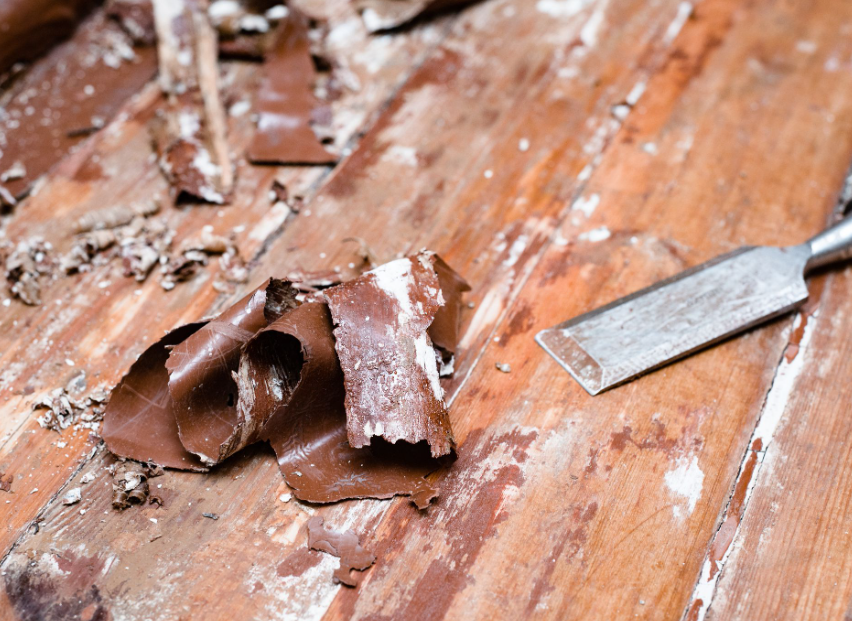
The Different Methods of Stripping
There are three main methods for stripping paint:
1. Heat Stripping.
Heat stripping uses heat guns or torches to soften the old paint so you can scrape it off. This method is fast and easy but can be dangerous if you get too close to flammable materials.
2. Chemical Stripping.
Chemical strippers are typically safer than heat guns, but they’re not as effective at removing all types of paints, particularly latex paints that bond well with wood surfaces. They also require more effort because they require scraping after application and often need multiple applications before they work properly.
3. Sandblasting/Abrasive Blasting (sandblasting).
Sandblasting uses sand or other abrasives to remove paint from surfaces quickly, but it doesn’t always get every last bit of paint off because some particles tend to stick
Conclusion
At times, paint stripping can be a tricky business. You must consider the condition of the surface, as well as the type of paint that needs to be removed before you make a decision about which one of the methods below will be best for you.
For more information Click here!