
A shade sail is one of the most cost-effective, durable, and design-forward ways to protect your outdoor space from harsh UV rays while improving comfort and property value.
If you’re dealing with overheated patios, sun-damaged furniture, or unusable commercial outdoor areas, a properly installed shade sail can reduce UV exposure by up to 95% (depending on fabric) and dramatically cool the space beneath it.
If you’re a homeowner, facilities manager, school administrator, or business owner, you’re likely facing rising heat, stricter sun-safety expectations, and higher energy costs. Let’s solve that.
What Is a Shade Sail and Why Is It So Effective?
A shade sail is a tensioned fabric canopy, typically made from high-density polyethylene (HDPE) or PVC, anchored to posts or existing structures to create shade.
In my experience installing and specifying shade systems, what makes shade sails powerful is their combination of airflow and UV protection. Unlike solid roofs, they block harmful radiation while allowing heat to escape.
For schools, hospitality venues, and public spaces, shade coverage is a risk-management decision, not just a design upgrade.
Why Are Shade Sails Better Than Traditional Patio Covers?
1. Cost Efficiency
A well-designed shade sail system typically costs significantly less than building a permanent roof structure.
2. Faster Installation
Most residential projects can be completed in days—not weeks.
3. Modern Aesthetic Appeal
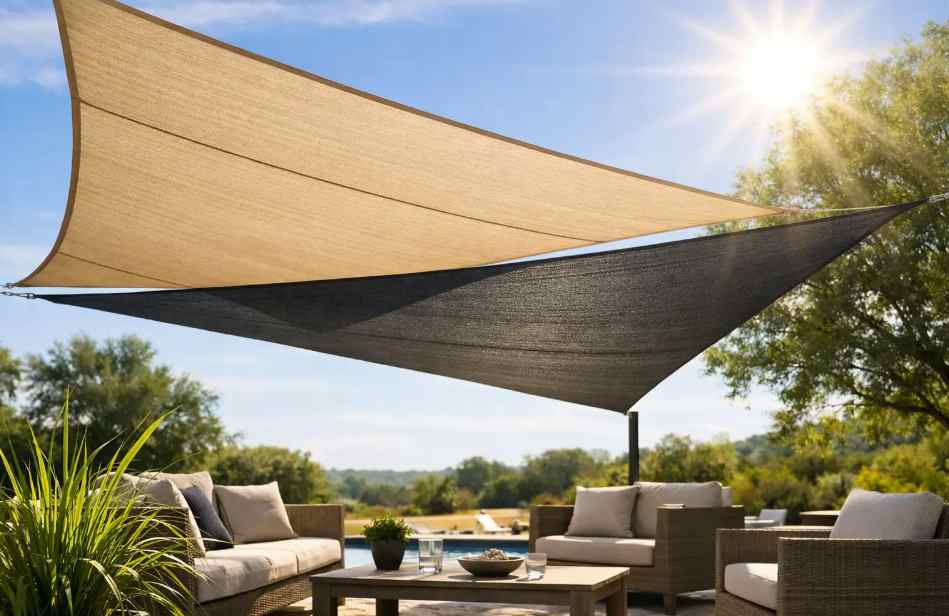
Here’s what actually works: layering triangular or hypar (twisted) sails at different heights. This adds architectural interest while maximizing coverage.
4. Temperature Reduction
Breathable fabrics can reduce temperatures underneath by 10–20°F, depending on climate and fabric density.
The mistake I see most often is choosing fabric based solely on color. UV block percentage and tension strength matter more.
How Do You Choose the Right Shade Sail?
Consider These Factors
- UV Protection Rating (UPF 50+ preferred)
- Fabric weight (measured in GSM)
- Wind load capacity
- Attachment points & structural support
- Waterproof vs. breathable material
In high-wind regions, I always recommend reinforced corners and stainless-steel hardware. Skimping on anchors leads to sagging—or worse, structural failure.
Commercial Decision-Makers
If you’re managing a school, café, or HOA property, look for:
- Fire-rated fabrics
- Engineered drawings for permits
- Warranty of at least 10 years
Where Should You Install a Shade Sail?
Shade sails are ideal for:
- School playgrounds
- Restaurant patios
- Pool decks
- Car parks
- Rooftop lounges
- Residential backyards
In hospitality projects I’ve worked on, adding shade coverage increased usable daytime seating capacity. More comfort equals more revenue.
How Long Do Shade Sails Last?
High-quality HDPE shade sails typically last 8–15 years, depending on UV exposure and maintenance.
Here’s what actually extends lifespan:
- Proper tension (no sagging)
- Seasonal inspections
- Removing debris buildup
- Professional installation
The biggest durability killer? Poor drainage planning. Water pooling stretches fabric permanently.
Are Shade Sails Worth the Investment?
If you value:
- Sun safety
- Lower cooling costs
- Increased property usability
- Modern curb appeal
- Scalable commercial shading
Then yes, shade sails consistently deliver strong ROI.
For decision-makers balancing budget and safety compliance, they’re often the most strategic middle ground between umbrellas and permanent construction.
Final Thoughts
If your outdoor space is too hot, underused, or exposed to harmful UV rays, a shade sail is a practical, design-smart solution. The key is proper planning, correct fabric choice, and engineered installation.
You don’t just need shade.
You need structured, durable, UV-certified protection that enhances the way people use your space.