
You’ve seen them at luxury hotels, high-end retail stores, and prestigious office buildings—those stunning curved automatic doors that seem to flow seamlessly with the architecture. But beyond their obvious visual appeal, auto curved doors solve critical problems that traditional straight doors simply can’t address.
The biggest challenge facing architects and building designers today? Creating impressive entrances that maximize space efficiency while maintaining accessibility and energy performance. Auto curved doors create a strong visual impact while providing maximum clear opening for a given footprint, making them the perfect solution for buildings where first impressions matter.
The Space Problem: Auto Curved Doors Solve
Your building entrance faces a fundamental design conflict: you need wide openings for accessibility and traffic flow, but you’re working with limited wall space. Traditional sliding doors require straight walls equal to twice the door width. Curved doors change this equation entirely.
The curved design follows your building’s natural architecture, wrapping around corners and creating wider openings without demanding extensive straight-wall real estate. This means you can accommodate wheelchairs, delivery carts, and high traffic volumes while preserving valuable interior space for retail displays or lobby features.
Energy Efficiency You Can Measure
Here’s what most people miss about curved automatic doors: they’re energy-saving champions. The curved configuration creates a natural airlock effect that reduces air infiltration compared to standard swing or straight sliding doors. These systems reduce energy consumption while optimizing access control and enhancing security, directly impacting your operating costs.
For commercial buildings in extreme climates, this translates to measurable HVAC savings. The curved glass panels form a thermal barrier that maintains building pressure differentials, preventing conditioned air loss during peak traffic periods.
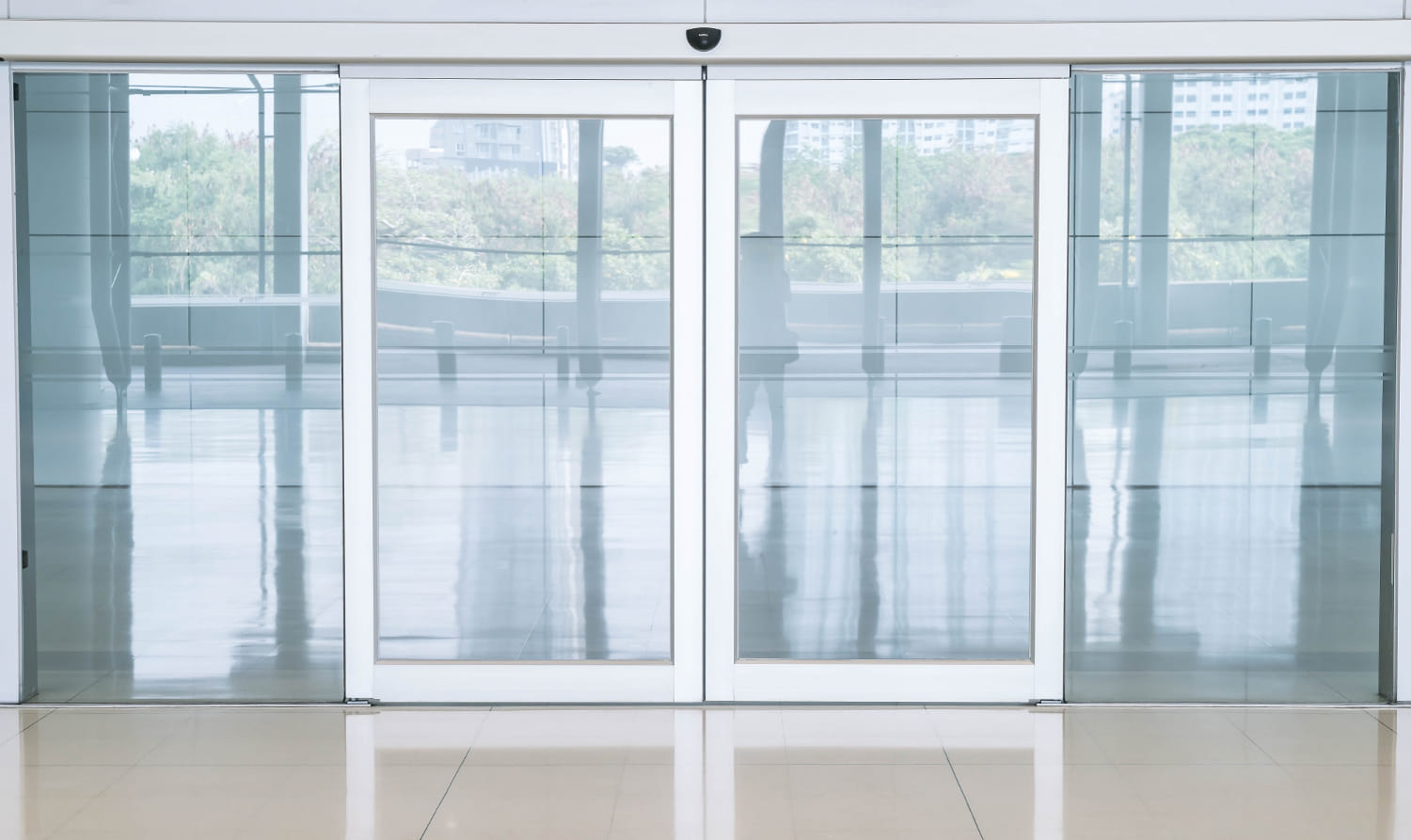
Why Commercial Projects Choose Curved Doors
The commercial automatic door market is experiencing significant growth, and curved doors represent the premium segment. They’re becoming standard in:
- Luxury retail locations where brand image demands architectural distinction
- Corporate headquarters requiring impressive lobby statements
- Hotels and hospitality venues where guest experience begins at the entrance
- Healthcare facilities needing wide access with sophisticated aesthetics
Professional automatic door solutions recognize that curved doors aren’t just about looks—they’re strategic architectural decisions that impact traffic flow, energy performance, and brand perception simultaneously.
The Installation Reality
You’re probably wondering about installation complexity and costs. Yes, curved automatic doors require specialized installation expertise and precision engineering. The curved track systems demand exact alignment, and the custom glass panels need careful handling.
However, the long-term value justifies the investment. Curved doors deliver:
- Reduced maintenance from fewer moving parts than revolving doors
- Lower energy costs through superior sealing and airlock performance
- Enhanced property value from architectural distinction
- Improved traffic flow reducing congestion during peak periods
Making the Right Choice
Auto curved doors work best when you’re prioritizing architectural impact, space efficiency, and long-term performance over initial cost considerations. They’re ideal for new construction where you can design the entrance around the door system rather than retrofitting existing openings.
If your project demands an entrance that makes a statement while solving practical accessibility and energy challenges, curved automatic doors deliver results that straight doors simply cannot match. The question isn’t whether curved doors are worth considering—it’s whether your project can afford to settle for anything less distinctive.