
In the dynamic world of property development and real estate, the quest to enhance both the aesthetic and the functional value of buildings is perpetual. A standout solution that offers an amalgamation of beauty, durability, and efficiency is architectural cladding. Through this blog, the focus will be cast on the multifaceted advantages of architectural cladding, alongside a spotlight on zinc cladding, showcasing how this innovative approach not only transforms the visual appeal of structures but also contributes to their intrinsic worth.
The Essence of Architectural Cladding
At its core, architectural cladding serves as a protective and decorative exterior layer for buildings, safeguarding them against the elements while providing a significant aesthetic upgrade. Among the plethora of materials available, zinc cladding emerges as a premier choice for its unique combination of elegance, longevity, and eco-friendliness.
A Visual Metamorphosis
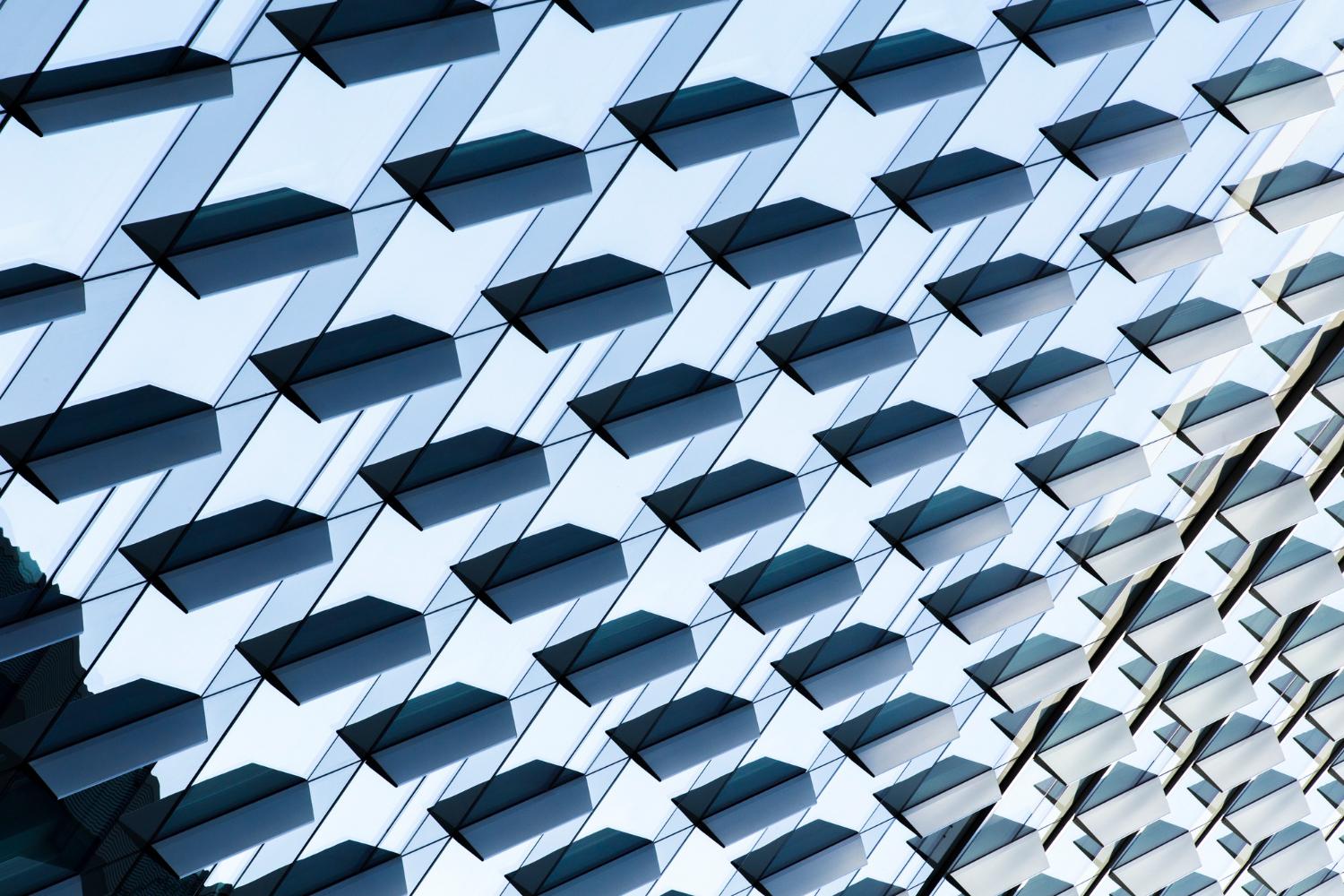
The immediate impact of applying architectural cladding is an unparalleled visual transformation. With options ranging from the modern, metallic sheen of zinc cladding to traditional brick or stone, cladding can breathe new life into any facade. This not only revitalizes the building’s appearance but also bolsters its appeal to prospective tenants or buyers, potentially elevating property values substantially. According to Real Estate experts, a visually appealing exterior can significantly enhance a property’s market value, making cladding an investment with immediate returns in aesthetic capital.
Sustainability and Efficiency
Beyond aesthetics, architectural cladding plays a pivotal role in the ecological footprint and energy efficiency of buildings. Specifically, zinc cladding stands out for its minimal maintenance needs, longevity, and recyclability, aligning with green building principles. Cladding acts as an extra insulating layer, reducing energy costs by maintaining optimal indoor temperatures, a feature increasingly valued in the energy-conscious market.
Durability and Protection
Cladding offers a shield against environmental stressors such as rain, wind, and solar radiation. Materials like zinc cladding are celebrated for their resistance to corrosion, thermal stability, and ability to self-heal scratches over time, ensuring the building’s facade remains pristine for decades. This durability translates into reduced maintenance and repair costs, contributing to the overall value proposition of architectural cladding.
Elevating Market Value
The incorporation of architectural cladding can directly influence a building’s market value. Properties adorned with high-quality cladding materials like zinc are often perceived as more luxurious and innovative, commanding higher prices and attracting discerning buyers. Furthermore, the enhanced energy efficiency and durability associated with cladded buildings offer a persuasive selling point in today’s environmentally conscious and quality-oriented market.
Architectural cladding, particularly zinc wall cladding, provides a compelling blend of aesthetic appeal, environmental sustainability, and economic advantage. Whether for commercial or residential buildings, investing in quality cladding not only enhances the visual identity of the structure but also contributes to its market value and operational efficiency. As the building industry advances, the role of architectural cladding in creating versatile, sustainable, and valuable properties is undeniably pivotal, marking it as a fundamental component of modern architectural design.