
One of the most important aspects of waterproofing is applying the waterproof membrane correctly. If the membrane is not applied correctly, it will not be effective and can even cause further damage.
There are a few things to keep in mind when applying a waterproof membrane to ensure that it is done correctly. Here are 6 tips for applying waterproof membranes like a pro!
Practice Safety:
Before you begin, make sure that you have all of your safety gear on hand and ready to go. This includes gloves, glasses and even respirators if necessary. It is also important to wear long sleeves and pants so that you don’t get any debris or chemicals on your skin or clothing.
Also, remember to protect any exposed skin from sunburn by using sunscreen or wearing long sleeves and pants with long socks over them (if possible).
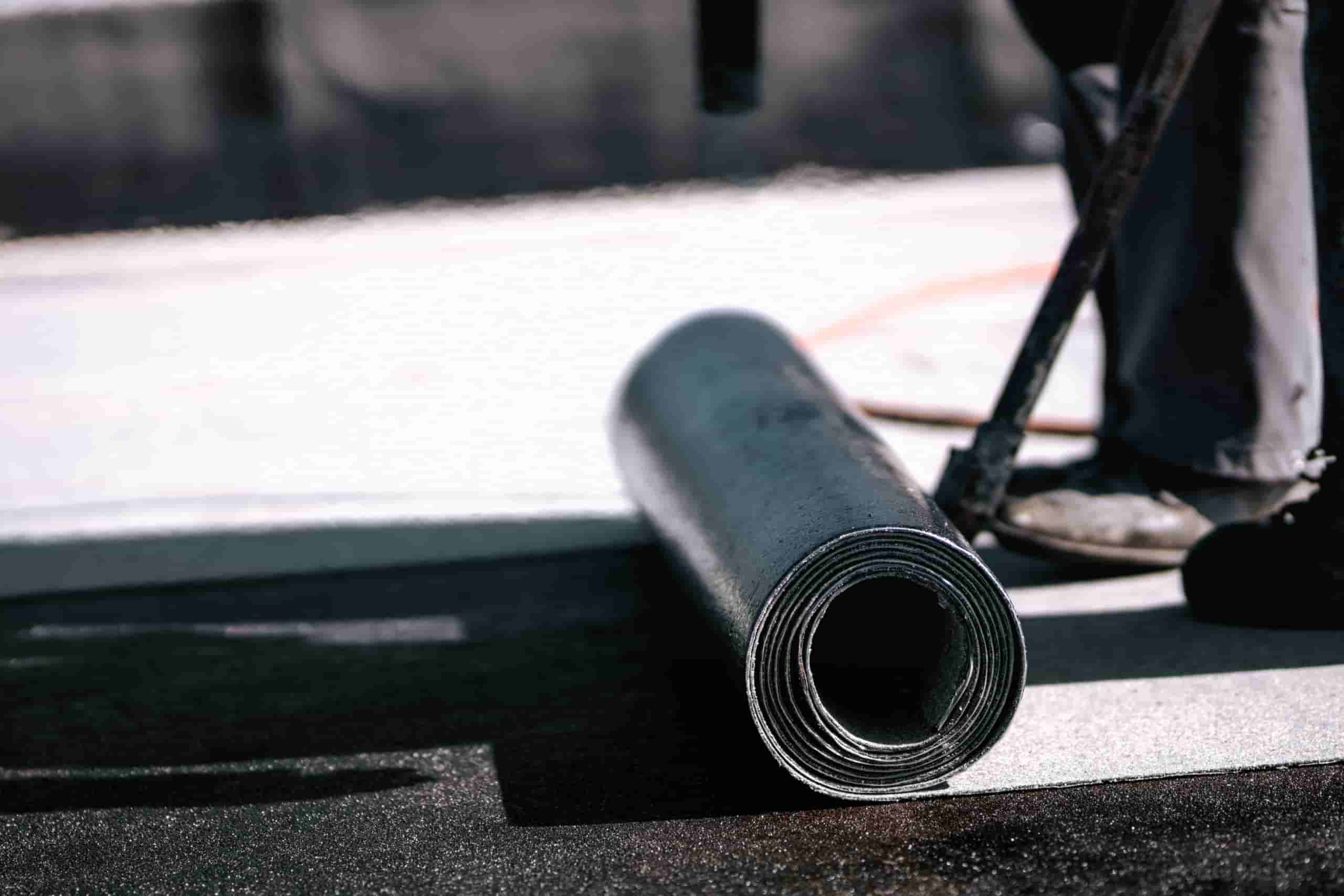
Get the Best Membrane for the Job:
There are many different types of membranes used for waterproofing basements, but not all of them are created equal. Each type of membrane has its own set of advantages and disadvantages, so it’s important to choose the right one for your project.
For example, Some membranes are better suited for high-moisture areas while others work better in low-moisture areas; some are easier to install than others; some have longer lifespans than others, etc.
Install a Drainage System:
When installing a waterproofing membrane, it’s important to install a drainage system in order for the water to be able to flow away from the building. This will prevent any pooling of water on top of your roof or within your walls that could potentially cause damage and concrete floor spalling.
Apply in Good Weather:
It’s important that you apply your waterproofing membrane when the weather is good and dry. This will allow you to work more efficiently and avoid having to wait around while the membrane dries out before continuing with the rest of the installation process.
Check the Substrate Beforehand:
Before applying your waterproofing membrane, you should always check your substrate first to make sure that it is suitable for use with this type of product or if any other issues may arise while installing it, such as cracks or holes in the surface, etc…
Apply Evenly and Smoothly:
If you have some areas that are thicker than others or if there are wrinkles or creases in the membrane, then water will be able to seep through these areas and cause leaks later on down the road. So while applying a waterproof membrane, ensure that it is applied evenly and smoothly.
Related Source: Concrete Cancer, Spalling Repair