
Choosing between repair and home window replacement isn’t clear-cut. Sometimes it feels like a toss-up. A crack here, a draft there—do you patch it up, or just swap the whole thing? The choice really depends on age, cost, and how much hassle you want down the road.
When a Repair Can Do the Job
Not every window problem needs a full replacement. Small cracks, loose seals, even sticky frames—those can be handled. Contractors can re-glaze, reseal, or adjust without tearing everything out. For windows that are still fairly new, repairs stretch their life. Think of it as regular window maintenance. A little fix now saves bigger bills later.
Times When Replacement Wins
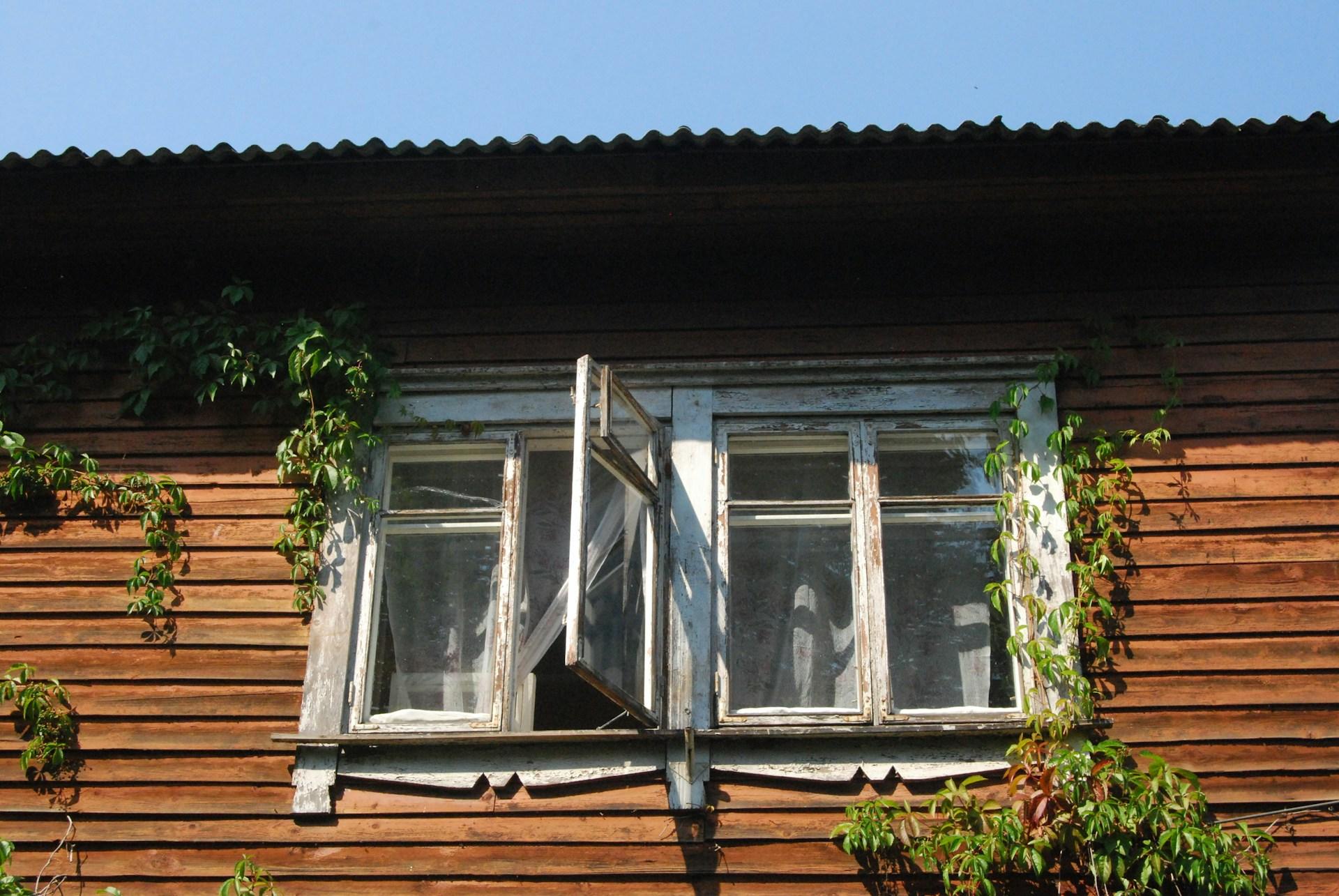
But repairs only go so far. Old windows, 15–20 years or more, usually lose efficiency no matter what. Cold air sneaking in? Condensation trapped between panes? Those are classic signs the seal is gone for good. And let’s be real—sky-high energy bills sometimes say it louder than the glass does. Replacement ends up cheaper long term.
The Money Side
Repair is cheaper upfront. No doubt. But replacement often pays off. Studies show homeowners recover close to 70% of window installation costs when selling. Add in energy savings—around 10–25% each year—and the numbers stack up fast. A patch job won’t deliver that. On the flip side, not everyone has the budget today. So timing matters.
More Than Just Glass
New windows aren’t only about fixing drafts. Materials now resist warping and rot. Easier to clean too. And honestly, they can change the whole look of a room. Bigger panes, slimmer frames, more light. Repairs can’t really do that.
So, what’s the smart choice?
There’s no one answer. For newer windows with small issues, fix them. It buys time. But older, drafty ones? Home makes sense, even if the price tag stings at first. Comfort improves, bills drop, and the house feels newer.
After all, windows aren’t just holes filled with glass. They’re part of daily life—warmth, light, even safety. In the end, the smartest choice is the one that saves you money and stress in the long run.