
Railing systems play a vital role in enhancing both the safety and aesthetic appeal of any property. An aluminium railing installation is an excellent choice for homeowners seeking durability, low maintenance, and modern design. Aluminium railings are not only lightweight and corrosion-resistant, but they also provide a versatile option for balconies, decks, and stairs. This blog explores the key benefits of aluminium railings, the installation process, and why they are a superior alternative to traditional materials.
Why Choose Aluminium Railings?
Aluminium continues to gain popularity in railing systems, and for good reason. Unlike wood, which can rot, or steel, which is prone to rust, aluminium offers long-lasting durability with minimal maintenance. It is resistant to weather conditions, making it ideal for both indoor and outdoor applications.
In addition, aluminium railings are available in a variety of designs, finishes, and colors that complement any architectural style. Their lightweight nature simplifies the railing installation process, and they are often more affordable than stainless steel or wrought iron options in the long term.
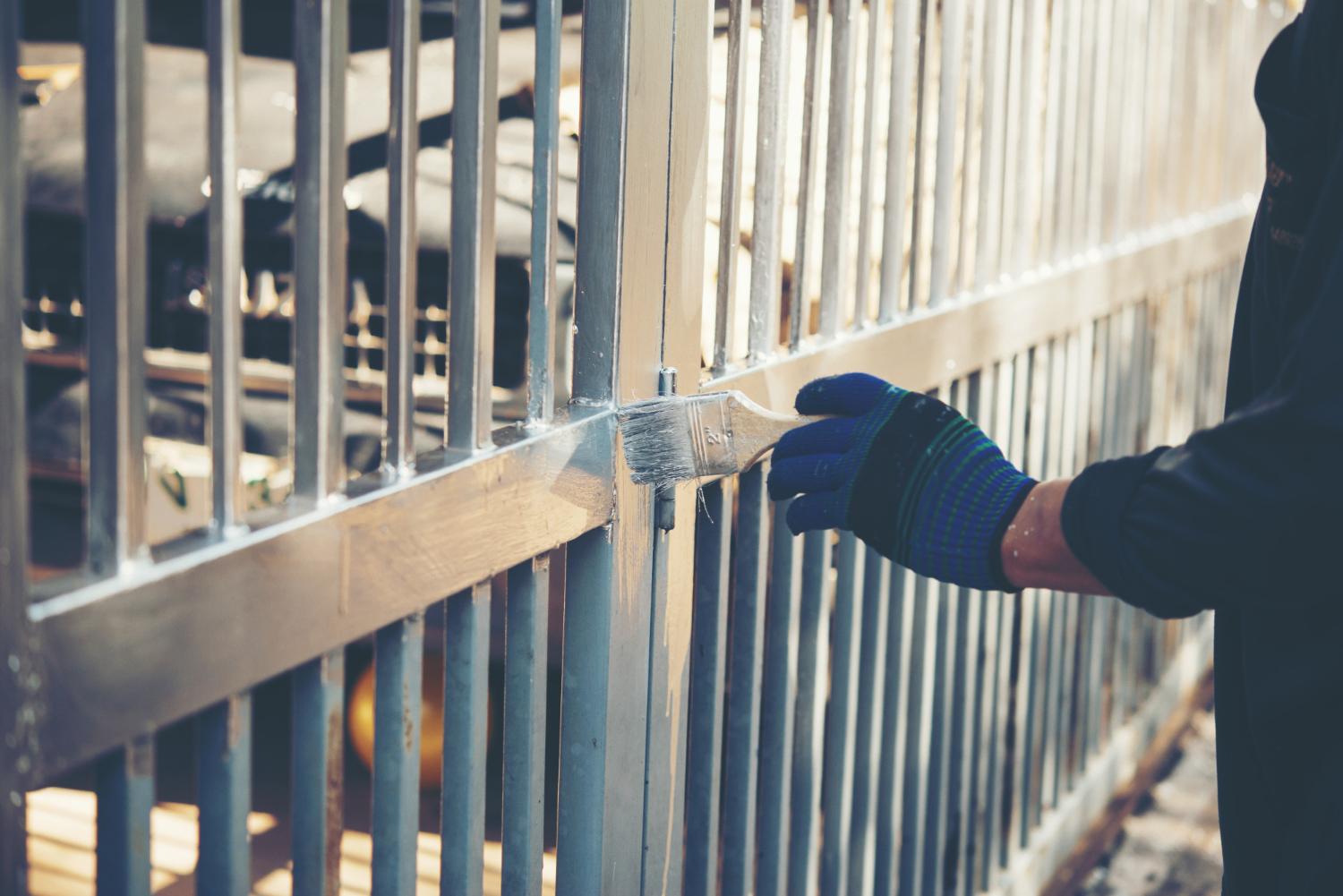
Step-by-Step Guide to Aluminium Railing Installation
- Plan and Measure the Area
Before starting the aluminium railing installation, ensure accurate measurements are taken for the railing’s height, length, and spacing. Proper planning minimizes errors and ensures that regulatory safety guidelines are met. - Prepare the Installation Site
Clean the area and ensure the surface is level. For outdoor projects, verify that the decking or base material is capable of supporting the railing system. - Attach Base Plates or Fasteners
Secure the posts to the surface using mounting hardware provided by the manufacturer. Be sure to use corrosion-resistant fasteners to maintain the integrity of the system over time. - Install the Rails
Slide or connect the horizontal rails between the posts following the manufacturer’s instructions. This step often involves snapping or screwing pieces into place. - Add Finishing Touches
Once the railing is fully assembled, install caps, touch up any scuff marks, and check for stability to ensure safety compliance.
Key Advantages of Aluminium Railing Installations
Several studies have highlighted the strong advantage of aluminium in railing systems. According to industry reports, aluminium railings can last up to 20 years, with minimal maintenance required. Additionally, they are 100% recyclable, making them an eco-friendly choice for sustainability-conscious homeowners.
Conclusion
Whether improving the appeal of a deck railing or ensuring the safety of a staircase, a high-quality aluminium railing installation offers the perfect blend of durability, aesthetics, and affordability. Pairing its weather-resistant properties with a straightforward railing installation process makes aluminium railings a practical choice for both residential and commercial applications. Investing in these systems ensures peace of mind while adding a sleek, modern touch to any space.